Power outages can be more than an inconvenience. A prolonged outage can disrupt heating and cooling, spoil food, interrupt remote work, and potentially damage certain household systems. As homeowners become increasingly concerned about power reliability, backup power systems have gained attention as a way to keep essential electrical equipment running when the grid goes down.
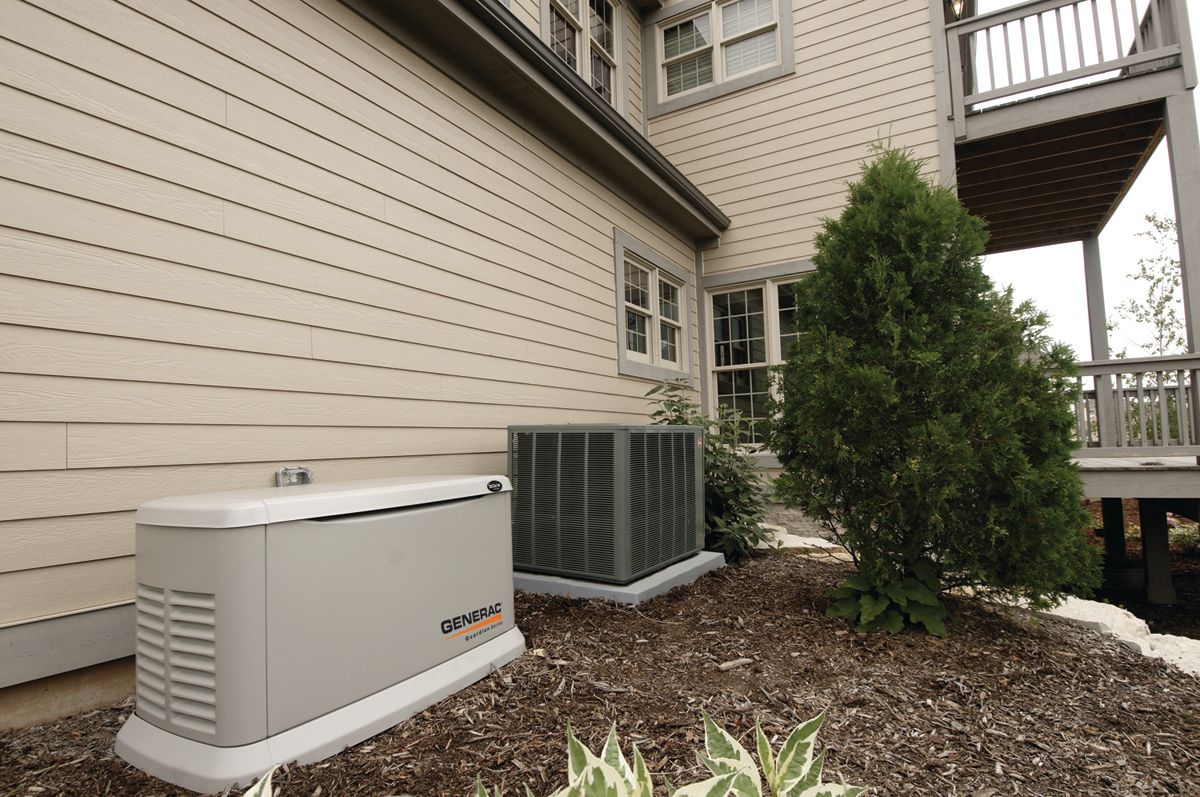
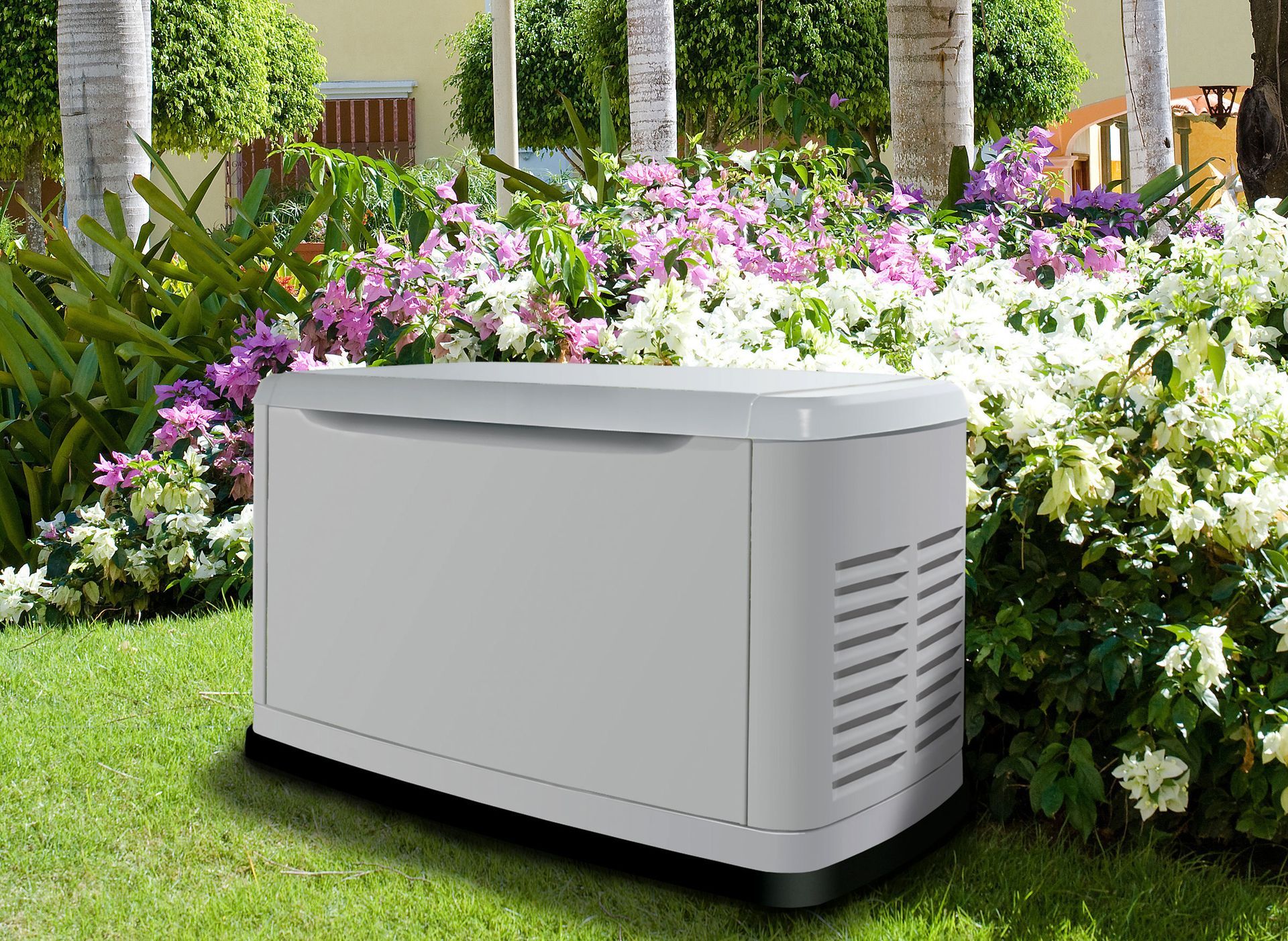
Whole house generators are permanently installed systems that automatically provide electricity to a home when an outage occurs. Unlike portable generators, they can be connected directly to a home's electrical system and typically start automatically when utility power is interrupted.
For homeowners who experience frequent or lengthy outages, the convenience and reliability may make the investment worthwhile. However, the purchase involves more than the generator itself. Installation, fuel, maintenance, and operating costs should all be considered before making a decision.
What Are the Benefits of Whole House Generators?
The primary advantage of whole house generators is reliable backup power. When the electrical grid fails, an automatic transfer switch can detect the interruption and signal the generator to start. Once operating, the generator can supply electricity to designated household circuits or the entire home, depending on the system and installation.
This can be particularly valuable during severe weather or other situations where an outage lasts for several hours or days. Homeowners may be able to continue using heating and air conditioning, refrigerators, lighting, internet equipment, sump pumps, and other important systems.
Whole house generators can also provide peace of mind. Rather than rushing to find a portable generator, extension cords, and fuel when a storm approaches, homeowners with a permanent system can have backup power available automatically.
Another consideration is protecting household equipment. Extended outages can create disruptions for appliances, security systems, medical equipment, and other electrical devices. A properly installed generator can help homeowners maintain access to essential systems while utility service is unavailable.
For households that depend heavily on electricity or have experienced repeated outages, these advantages can provide meaningful value beyond simple convenience.
How Much Does a Whole House Generator Cost?
The cost of whole house generators varies based on generator capacity, fuel type, installation requirements, and the home's electrical demands. The generator itself represents only part of the total investment. Professional installation, electrical work, fuel connections, permits, and other site-specific requirements can add substantially to the final price.
Larger homes with greater electrical demands may require higher-capacity equipment. Similarly, a property that requires extensive electrical modifications or gas-line work may have higher installation costs than a home with an appropriate existing setup.
Homeowners should also account for ongoing expenses. Generators require periodic maintenance, which can include oil and filter changes, battery inspections, spark plug replacement, and other service depending on the equipment. Fuel costs will also increase when the generator operates during an outage.
The financial question, therefore, is not simply whether the generator is affordable to purchase. Homeowners should consider how frequently they experience outages, how disruptive those outages are, and how much they value having automatic backup power.
For someone who rarely loses electricity and can comfortably tolerate short outages, the investment may be difficult to justify. For a household that regularly experiences lengthy interruptions, the added reliability may provide considerably more value.
How Does the Installation Process Work?
Installing whole house generators is generally a professional job because the equipment must be properly integrated with the home's electrical and fuel systems. The process typically begins with an assessment of the property and its electrical requirements.
An installer can determine the appropriate generator capacity by evaluating the home's electrical load and identifying which systems need backup power. The location of the generator is also important. It needs adequate clearance and ventilation while remaining accessible for future service.
The installation may also require permits and inspections. Depending on the property and local requirements, the project can involve electrical work, gas-line installation, a concrete or approved mounting surface, and installation of an automatic transfer switch.
Once the equipment is installed, the system can be tested to confirm that it responds appropriately when utility power is interrupted. Homeowners should also receive instructions about routine operation and maintenance.
Because installation affects both electrical and fuel systems, choosing a qualified professional is important. An improperly installed generator can fail to perform when needed and may create significant safety concerns.
What Is the Lifespan and Maintenance of a Whole House Generator?
One factor that can make whole house generators appealing is their potential longevity. According to HomeAdvisor, a quality standby generator can last approximately 30 to 50 years when it receives regular service. That means a properly maintained generator can potentially provide backup power for decades.
However, reaching that lifespan requires maintenance. Like an automobile or other mechanical equipment, a standby generator contains components that experience wear over time. Routine service helps identify problems before they prevent the generator from operating during an outage.
Maintenance requirements vary by manufacturer and model, but commonly include checking or changing engine oil and filters, inspecting the battery, examining electrical connections, and testing the system. Fuel-system components and other mechanical parts may also require periodic inspection.
Regular testing is another important consideration. A generator that sits unused for months still needs to be ready when an emergency occurs. Scheduled exercise cycles allow the system to run periodically and can help identify potential problems.
Maintenance adds to the long-term cost of ownership, but it can also protect the initial investment. Skipping routine service could increase the likelihood of mechanical problems and potentially shorten the equipment's useful life.
Are There Any Downsides to Owning a Whole House Generator?
Despite their advantages, whole house generators are not ideal for every homeowner. The upfront purchase and installation costs can be substantial, particularly for larger systems. Homeowners also need to budget for maintenance and fuel.
Noise is another consideration. Generators produce engine and exhaust noise while operating, which may be noticeable to occupants and neighbors. Modern equipment can incorporate features intended to reduce noise, but no combustion-powered generator is completely silent.
Fuel dependency is another potential drawback. Depending on the system, whole house generators may operate using natural gas, propane, diesel, or another fuel source. If the available fuel supply is interrupted during a widespread emergency, generator operation could be affected.
There are environmental considerations as well. Combustion generators produce emissions while operating, and extended use can increase their environmental impact. Homeowners who prioritize reducing fossil fuel consumption may want to compare backup generators with alternatives such as battery energy storage systems paired with solar power.
Finally, a generator is another mechanical system that homeowners must maintain. While automatic operation is convenient, the equipment should not be viewed as completely hands-off.
Are Whole House Generators Worth the Investment?
For the right homeowner, whole house generators can be a worthwhile investment. Their ability to automatically restore backup electricity can make extended outages substantially easier to manage, particularly for households that depend on heating, cooling, refrigeration, internet connectivity, or other electrical systems.
The long potential service life also helps put the initial expense into perspective. However, the purchase price, professional installation, maintenance, fuel requirements, and environmental considerations should all be part of the decision.
Whole house generators tend to make the most sense for homeowners who regularly experience outages, live in areas where severe weather can affect electrical service, or place a high value on uninterrupted power. For others, a portable generator or battery backup system may provide sufficient protection at a lower cost.
Ultimately, whether
whole house generators are worth the investment depends on the home's needs, the reliability of local utility service, and the homeowner's budget. A careful evaluation of both the immediate costs and long-term benefits can help determine whether permanent backup power is the right choice. If you're considering installing a whole house generator, reach out to the dedicated team at BNK Generator Services today!