By Paul Bryant
July 6, 2026
Regular emergency maintenance is pivotal for ensuring the long-term operational longevity and optimal performance of home backup power systems. These robust mechanical units are entirely indispensable when it comes to providing reliable backup power during unexpected regional utility blackouts, severe weather anomalies, and overloaded electrical grids. Because an emergency system can sit dormant for several months at a time, hidden vulnerabilities like fuel degradation, battery drain, and pest intrusion can quietly compromise the system without the homeowner ever realizing it. According to Home Advisor, professionals should be hired for generator maintenance once a year.
Adhering to these strict timeline benchmarks empowers you to make highly informed structural decisions while ensuring unwavering electronic reliability during major weather events. Neglecting this critical piece of your home infrastructure means risking total system failure at the worst possible moment. Failing to prioritize specialized oversight can lead to sudden mechanical breakdowns when you need emergency electricity the most, leaving your family vulnerable, your food supplies at risk, and your climate control systems entirely offline. Let us explore the exact, systematic operational phases a certified technician completes during a standard onsite maintenance appointment to keep your safety net intact.
Preparation and Maintenance Planning
Scheduling a specialized generator service appointment is the initial step toward securing your home’s energy resilience before storm season arrives. When booking your appointment, certified electrical providers highly recommend selecting a time slot that allows you to speak directly with the visiting specialist regarding the unit's operating history.
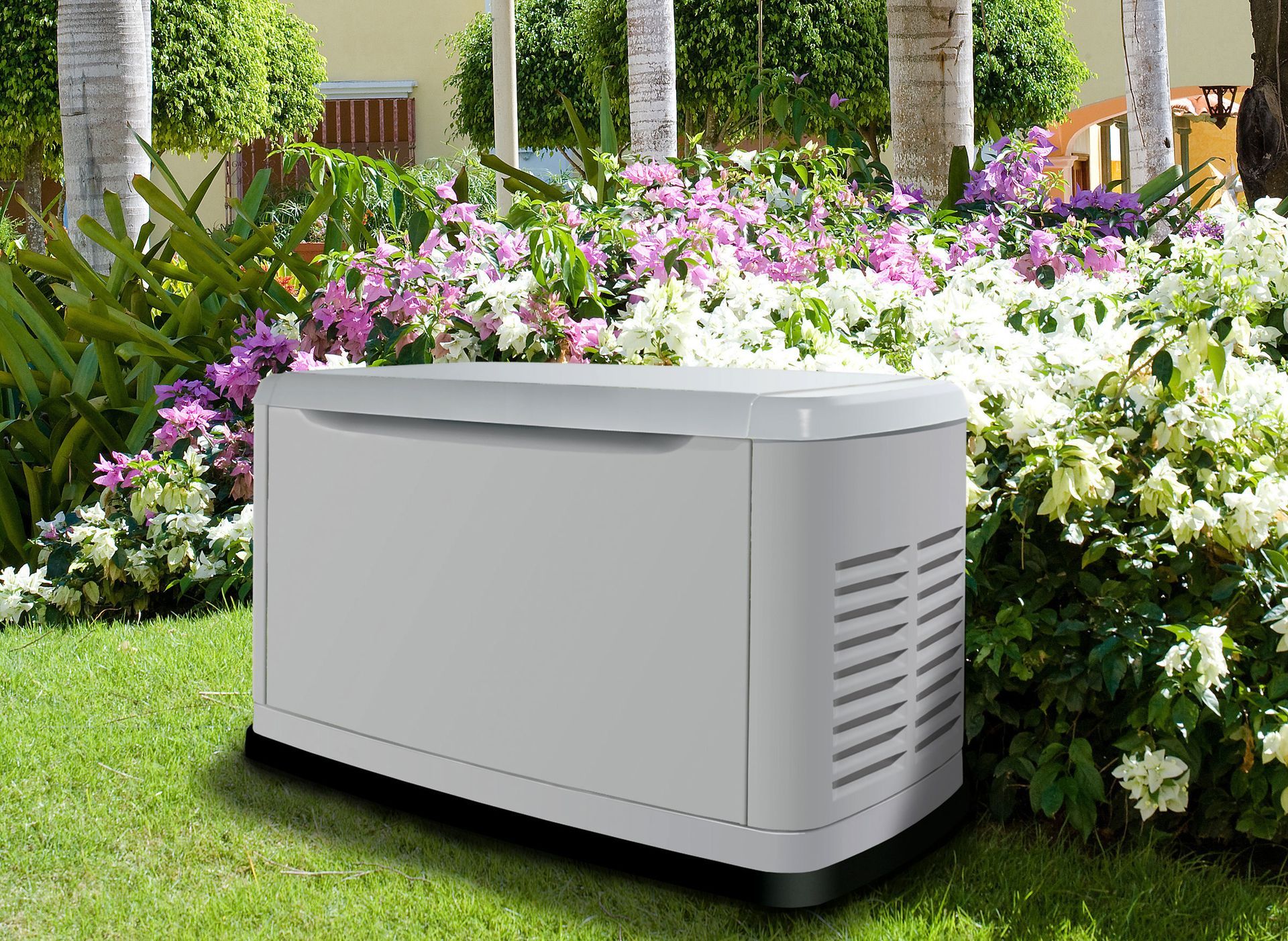
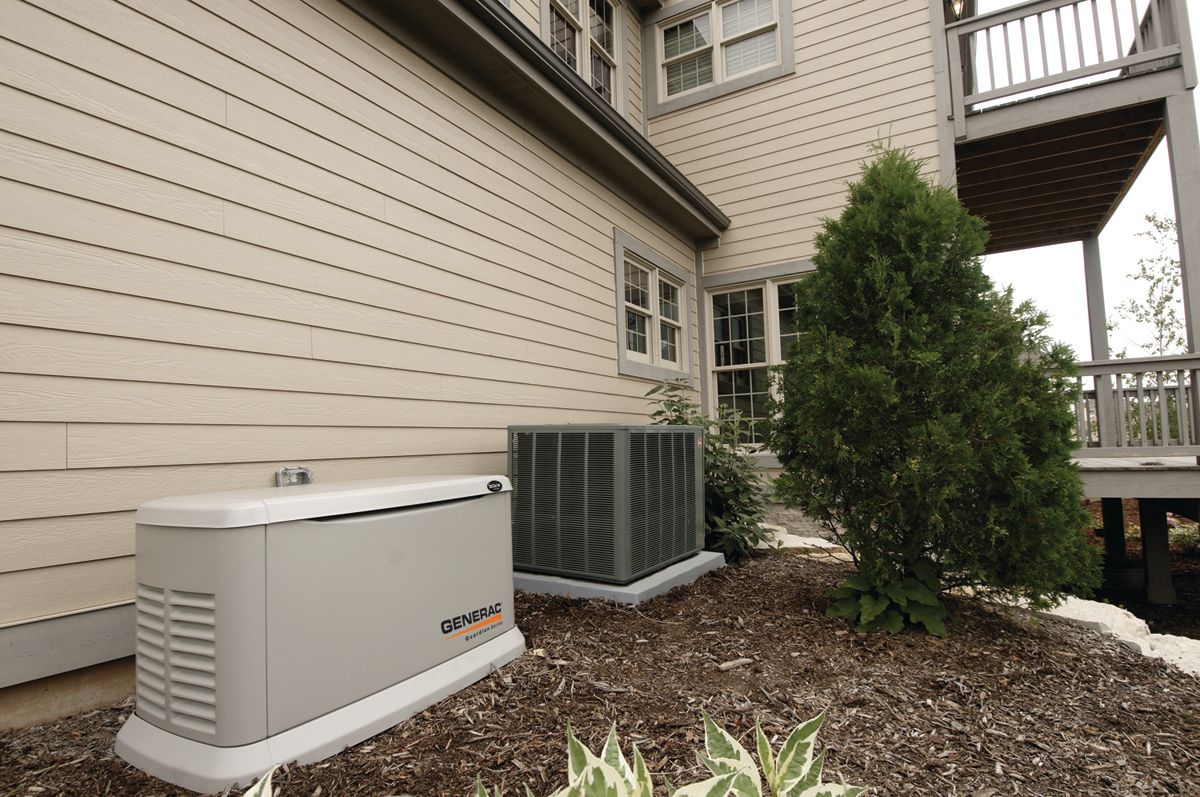
To maximize the efficiency of your upcoming generator service visit, homeowners should clear a three-foot perimeter around the exterior equipment casing. This basic step ensures the technician can access all mechanical panels, internal fluid lines, and electronic control modules safely without facing physical obstructions or overgrown landscape debris.
Furthermore, you should locate your past maintenance logs and warranty documentation ahead of time. Presenting these structural records allows the technician to evaluate past mechanical patterns, track ongoing component wear, and verify that your property remains fully compliant with strict manufacturer warranty guidelines.
Arrival and Preliminary System Assessment
Upon arrival at your property, a certified professional will present official company identification and provide a clear overview of the day's technical protocol. The specialist begins the generator service by conducting a comprehensive initial visual inspection of the exterior enclosure.
During this preliminary phase, the technician searches for visible warning signs of structural trouble, such as outer cabinet rust, fluid puddles, or pest nesting entry points within the ventilation louvers.
Before opening any internal mechanical access panels or handling electrical wiring, the technician will execute a controlled shutdown sequence to safely disconnect the unit from your home's automatic transfer switch (ATS). Powering down the hardware ensures the technician is protected from sudden high-voltage surges, unexpected engine crank sequences, and intense heat cycles while they meticulously examine the internal engine block and the sensitive electronic circuitry tucked inside.
Rigorous Component Inspection Protocols
Once the backup system is fully deactivated, the core technical evaluation begins. The specialist meticulously reviews the integrity of the fuel delivery system, checking supply lines, internal filters, and shutoff valves for dangerous leaks or structural degradation. Next, the technician evaluates the engine oil level and engine coolant conditions, as clean fluids prevent friction and overheating during extended emergency run cycles.
A high-priority segment of any professional generator service involves a rigorous diagnostics test of the starting battery and its corresponding electrical connections. Technicians check the battery's voltage and clean away corrosive buildup from the terminal leads to ensure immediate ignition capability.
Finally, the expert inspects the cooling radiator and the exhaust system to ensure toxic carbon monoxide emissions vent safely into the outdoor atmosphere without leaking. These structural checkpoints are vital to verifying that your system can handle intense, multi-day operational stress.
Executing Corrective Repairs and Calibration
If the detailed inspection reveals hidden mechanical flaws, the specialist will utilize industrial-grade tools to perform critical maintenance and immediate onsite repairs. This phase typically includes replacing clogged air filters and fuel filters to restore efficient engine airflow and prevent excessive fuel consumption.
The visiting professional will also apply specialized lubricants to critical moving parts like bearings and governor linkages to reduce mechanical friction.
If any internal belts, spark plugs, or small hoses show signs of advanced cracking or wear, the technician will swap them out for original equipment manufacturer (OEM) components. Afterward, the expert fine-tunes the system's electronic governor settings and voltage regulators. This specialized calibration guarantees that the engine maintains a steady, safe operating speed, which prevents unsafe electrical fluctuations from damaging your home’s sensitive appliances when the system takes over the building's electrical load.
Post-Maintenance Testing and System Validation
With all preventative repairs fully completed, the technician reactivates the unit to conduct dynamic post-maintenance testing. This phase involves running a simulated utility blackout to verify that the automatic transfer switch senses the power disruption and signals the engine to crank instantly.
Once the engine is running smoothly, the technician performs a comprehensive electrical load test to evaluate output performance under real-time operational stress.
During this test, the specialist utilizes specialized diagnostic meters to verify that the system generates a clean, stable stream of electricity that satisfies all strict local safety regulations. Analyzing these data readouts allows the professional to verify that the cooling fans, safety sensors, and emergency shutdown mechanisms engage perfectly under heavy stress. This extensive testing phase ensures that your emergency backup hardware is completely prepared to deliver reliable, safe power during a prolonged blackout.
Administrative Wrap-Up and Preventive Guidance
The final phase of a professional generator service visit focuses on thorough administrative documentation and client education. The technician will compile a detailed service report outlining all diagnostic readouts, completed fluid changes, and replaced components for your personal records.
The specialist will then sit down with you to review the report and share valuable operational tips, such as how to check fluid levels between scheduled visits.
The expert will also help you schedule your next annual checkup to ensure your home's energy infrastructure remains consistently protected year after year. Before departing your property, the professional will answer your lingering operational questions and provide direct emergency contact details, giving you a direct line to technical support if your automated backup system exhibits unexpected behaviors during a future power disruption.
Investing in regular, comprehensive mechanical maintenance is the ultimate way to guarantee that your emergency home backup power system operates flawlessly when a severe storm or unexpected grid failure strikes your region. From initial visual assessments and critical fluid changes to advanced dynamic load testing, every meticulous phase of a professional generator service visit is strategically designed to maximize system safety, eliminate hidden starting failures, and extend the overall operating lifespan of your equipment. By choosing to prioritize these annual preventative inspections, you eliminate the severe financial risks of sudden equipment breakdowns and safeguard your household from being left in dark, unsafe conditions during prolonged blackouts.
When you want to ensure your family remains completely protected, your food supplies stay preserved, and your daily climate systems remain uninterrupted through the worst regional power disruptions, relying on certified industry masters is the only way to go. To proactively protect your home's energy infrastructure, preserve your manufacturer's warranty, and secure absolute peace of mind before the next severe weather event arrives, contact the highly skilled, certified team at BNK Generator Services today to schedule your comprehensive annual inspection.